

Industrial weighbridges are essential tools for various industries that require accurate weight measurements of heavy loads. Below, we provide answers to some of the most common questions about weighbridges, their uses, and their benefits.
1. What is a weighbridge?
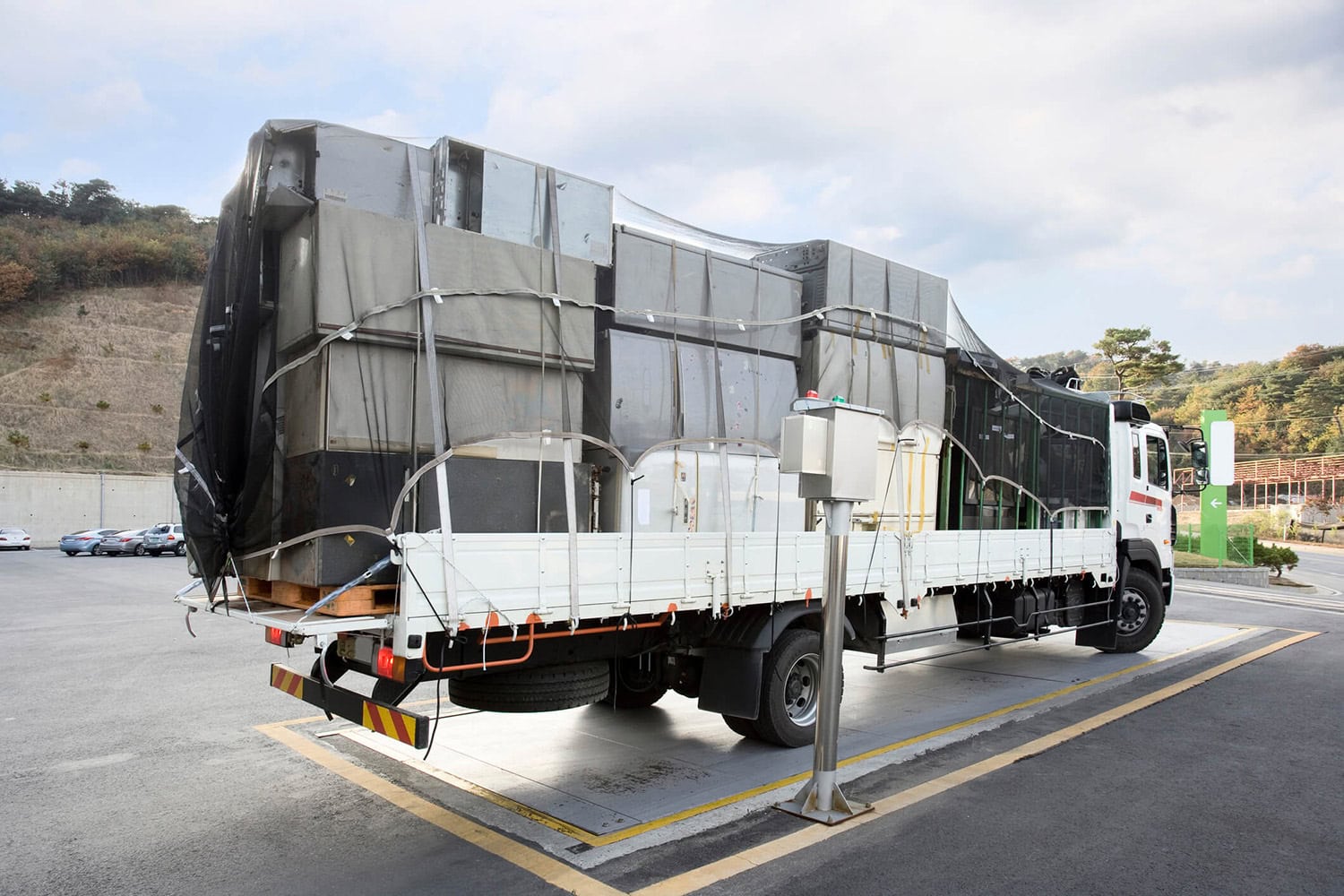
A weighbridge is a large industrial scale used to measure the weight of vehicles and their contents. It is commonly installed in industrial settings such as manufacturing plants, logistics centers, quarries, and recycling facilities. Weighbridges are essential for ensuring compliance with weight regulations and optimizing operational efficiency.
2. What types of weighbridges are available?
Weighbridges come in various types to suit different applications:
- Surface-mounted weighbridges: Installed above ground, these are ideal for locations with limited excavation possibilities.
- Pit-mounted weighbridges: These are installed flush with the ground, allowing vehicles to drive on and off easily.
- Portable weighbridges: Designed for temporary or mobile use, these can be relocated as needed.
3. What factors should I consider when choosing a weighbridge?
When selecting a weighbridge, consider:
- Capacity: The maximum load the weighbridge can handle.
- Size: The length and width required to accommodate your vehicles.
- Accuracy: Compliance with local standards and regulations.
- Durability: Resistance to environmental conditions and heavy usage.
- Integration: Compatibility with automation and software systems.
4. What are the benefits of weighbridge automation?
Automated weighbridges enhance efficiency and accuracy by minimizing human intervention. Benefits include:
- Faster weighing processes.
- Reduced human error.
- Integration with management software for real-time data analysis.
- Enhanced security through automated vehicle identification systems.
5. How often should a weighbridge be calibrated?
Regular calibration is crucial to maintain accuracy. The frequency depends on factors such as usage intensity, environmental conditions, and local regulatory requirements. Typically, weighbridges should be calibrated at least once a year or as recommended by the manufacturer.
6. What maintenance does a weighbridge require?
Routine maintenance ensures optimal performance and longevity. Key tasks include:
- Cleaning the weighbridge platform to remove debris.
- Inspecting load cells and cables for damage.
- Checking the alignment and leveling of the structure.
- Conducting periodic system diagnostics.
7. Are weighbridges compliant with Greek regulations?
Yes, industrial weighbridges designed and manufactured in Greece adhere to strict EU and Greek standards for accuracy and safety. Our company ensures that all products meet these requirements.
8. How can weighbridges help improve operational efficiency?
By providing accurate and reliable weight data, weighbridges:
- Prevent overloading fines and legal issues.
- Optimize logistics and transportation costs.
- Enhance inventory management and operational planning.
9. What industries benefit from weighbridges?
Weighbridges are widely used in:
- Logistics and transportation.
- Agriculture and farming.
- Mining and quarrying.
- Recycling and waste management.
- Manufacturing and production facilities.
10. Why choose our company for your weighbridge needs?
Based in Patras, our company has extensive experience in the design, development, manufacturing, and marketing of industrial weighing systems. Operating throughout Greece, we provide:
- Customized solutions tailored to your needs.
- High-quality, durable products.
- Expert installation and support services.
- Comprehensive after-sales service and maintenance.
If you have further questions or need assistance in selecting the right weighbridge for your business, contact us today. Our team is here to help you find the best solution for your weighing needs.